

When we think of self-care, do we forget to count downtime? I'm thinking here not so much about downtime that is scheduled, as it were, but rather that which is almost circumstantial. In other words, what are the positive spin-offs we derive from the "negative spaces" in our lives, as well as the activities we do that require us to either access or create space?
Category: Heart & Mind
Insights from contemplative and compassion-based practices. Explorations into the nature of mind and consciousness, based on cognitive science and philosophy. A more mindful and soulful angle on wellbeing.
Nothing is enough.
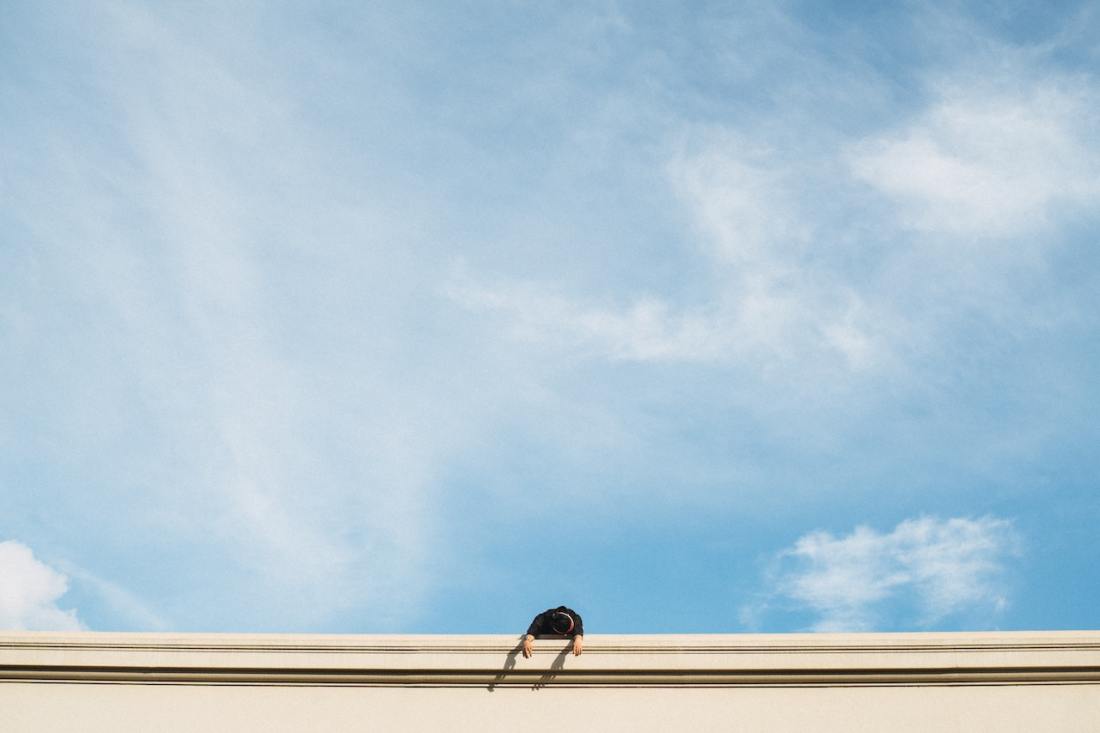
A handful of insights, gathered from various sources, about productivity, rest, and self-worth. Photo by Kyle Collins on Pexels 1. Permission to start at zero. I’ve been listening to a series of short talks called “Time Management for Mortals”, delivered by Oliver Burkeman, who wrote a book on the same topic, on the Waking Up … Continue reading Nothing is enough.
Past Tense: The anxious voices of history

Whereas in my last piece I considered anxiety as fear of the future, in this post I reflect on the ways in which it might in fact derive from the past. Rather than being a “fear of future feelings”, as I put it, perhaps anxiety can be viewed as a way in which our fearful past selves keep up with us.
Temporal Whiplash: Anxiety and Fear of the Future that is Now

I once heard that the source of all anxiety is fear of the future, and the source of all depression is dwelling in the past. As a rough shortcut to understanding these two very common mental afflictions, this has appealing simplicity. But as one who has experienced both depression and anxiety, I have had a few reflections on the relationship between suffering and our orientation towards time. When we are anxious, where in time do we tend to be placing our focus? Or rather, where do we believe we are placing our focus, and are we sometimes fooling ourselves?
On virtues

My mother used to quote this poem (which I only recently Googled to discover that it was penned by the same man who gave us The Sheep Pig): “Patience is a virtue, Virtue is a grace, Grace is a little girl who wouldn’t wash her face.” - Dick King Smith If there isn’t some cynicism around virtues themselves, I believe there is certainly cynicism around aspiring towards them. Where does this come from? What is the value of virtues? And is there value in contemplating qualities that might seem lofty and vague at best, and therefore unattainable or meaningless at worst?
Real Part 3: The Blind Rise

In Real: Part 2, I spoke about how our experience can shape our consciousness, specifically our awareness and understanding of others. I considered how privilege can make us blind to others’ perspectives and other people’s ways of being in the world. In this post, I ask the question: Once we’ve recognised this – once we’re confronted with the (usually severe) limitations of our own perspectives – what then? How do we show up nonetheless? How do we embark courageously on a journey of “filling in the picture”, of updating our maps, knowing that not only have we been blind and somewhat stupid up until this point, but also we will necessarily get it wrong and cause further hurt along the way? Finally, I explore what showing up means in terms of how we engage with reality.
Real (Part 2): The reality of perspectives and privilege

How much of the world is real to you? How big is the “real estate” in your mind? To me, one major aspect of reality awareness is recognising different subjective realities. In other words, I am moving from knowing the self to knowing and understanding others.
Real (Part 1)

What makes us “real”? I’m not talking about knowing whether or not we exist, whether we are live flesh and blood, or even whether we are conscious, but rather about what makes us real “in context” - and, more importantly, "in relation". In Margery Williams's The Velveteen Rabbit, the Skin Horse tells the Rabbit that we become Real by being loved. Are we not also seen into realness?
 All & None of the Above