The Power of the Third Person

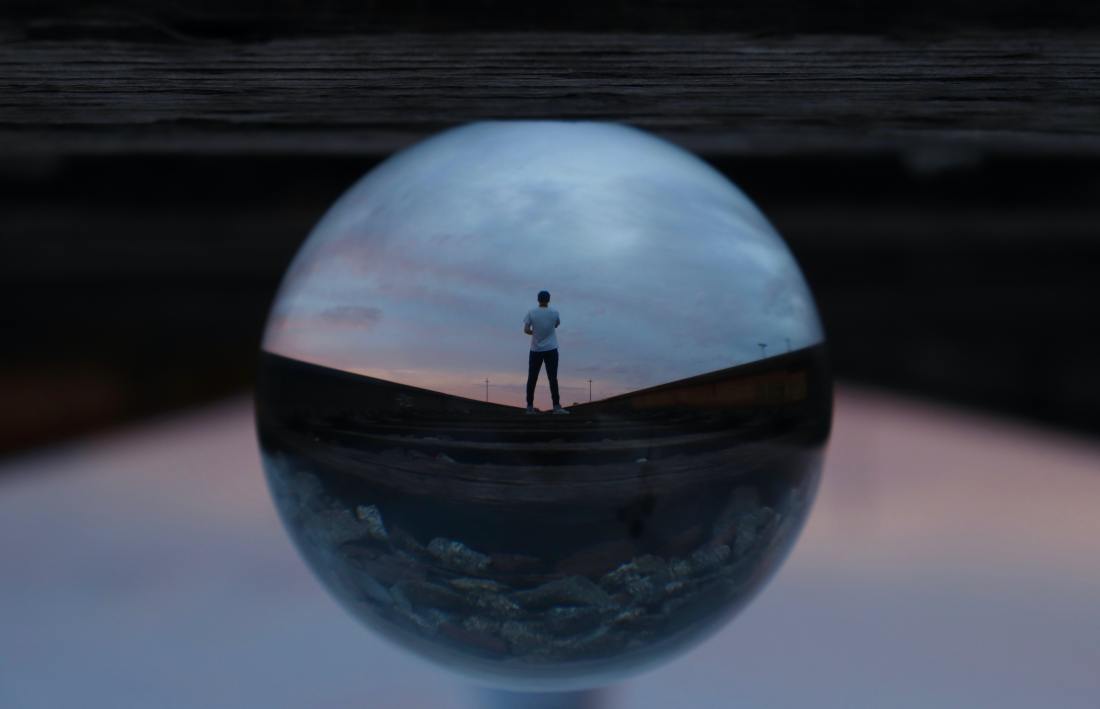
In a webinar I attended once on the value of presence, the presenters shared a metaphor for being mindful of your own thoughts: "Engage your third person". In storytelling, the third person is used as a form of narration that is outside of the action. Can we play third person or “third party” to the action in our own minds? Are we able to play not just the role of mediator, but also of witness? And when would this be useful?

The dance of self-love

Self-love is like a dance in which we move between acceptance and growth; between pushing and pulling on one hand and holding and protecting on the other. As fully integrated beings, we need to ultimately attempt to see that these are somehow one and the same thing.

Keeping Time: Synchronicity, regulation and well-being

To attune means to be receptive to something, to adapt or acclimatise towards it, or to bring things into harmony. This article explores some of the many ways we “keep time” by attuning to others, to our environment, and to ourselves, and how this synchronicity regulates how we function as ultimately social beings.

The limits of authenticity

What is authenticity? What does it mean to be our true selves? What does it mean to “show up”, and how are these two things different? Does authenticity mean bringing all of ourselves to every moment? And ultimately, what is the point of authenticity?

The Heart of Asking

To me, a question is the one of the most beautiful devices created by humankind. A request, on the other hand, might just be one of the trickiest. To ask a question is to open and step boldly out the door; to make a request is to stand at the threshold not knowing which way the door will swing.

Free Will, Control and Giving Everyone a Break

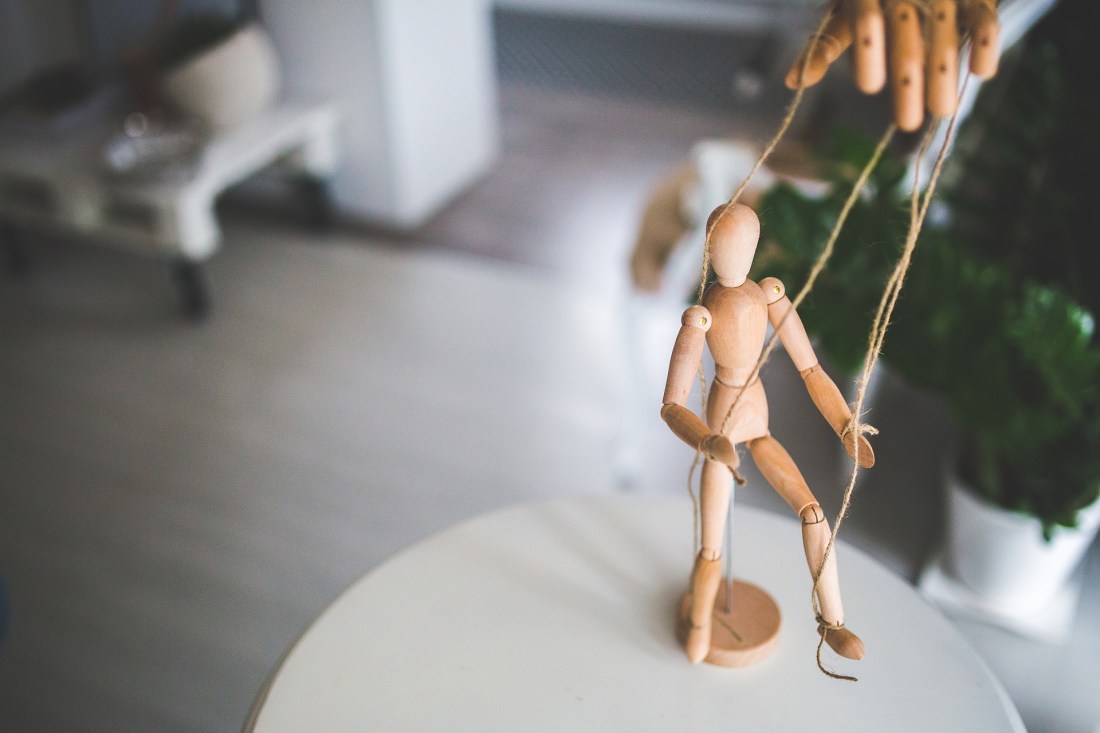
We think we think our thoughts. We think we’re starting each moment in the driver’s seat. But when you really reflect on where all of our thoughts, feelings, beliefs and choices come from. you start to see that this belief has no foundation. Our thoughts, as it were, think us. What if we were able to accept that control is an illusion - and that not only are we not really in the driver's seat, but nobody is?

Nobody Home: What happens when we dethrone our illusory inner Mini-Me

From others’ perspective, you are a person. What are you from your own perspective? We live in our heads, but are we our minds? And what might we be without - or beyond - our imagined and embodied selves?

All in your head

I had a realisation recently: "It’s all in your head” doesn’t necessarily mean “It’s not real”. This is a personal stance with feeling behind it, and my feeling is essentially that being told that something is “all in your head”, or suspecting the same, can feel for the most part invalidating, isolating and even a bit cruel. The specific example I had in mind was when people use this to explain when somebody experiences physiological symptoms which seem to have no obvious physical origin – typical examples being chronic pain, fatigue or fibromyalgia. In this case, “It’s all in your head” usually implies “There’s something wrong in your head”, which, true or not, may be interpreted as “There’s something wrong with YOU” “It’s all in your head”, in other words, to me usually suggests “It’s not real”, which is to invalidate someone’s personal experience – or at least to tell them they’re on their own.