In my recent work, which involved exploring how to teach critical thinking to university students, I began asking myself questions about how we ask questions. Personally, I've realised certain downsides to the “why” approach to life. On the one hand, I identify strongly as a “why” person, to the extent that my Instagram motto is “All who wonder are not lost”. On the other hand, I also identify as an overthinker, and I’ve come to recognise the effects that ceaseless questioning has not only on my own anxiety levels, but on others. So, I’ve come up with some experimental advice for those who, like me, are prone to overthinking: Try asking "what" instead of “why”. Let me explain (no irony lost there...)
Invisible Threads Part 4: Unravelling
Throughout life I've often struggled with “not seeing the wood for the trees”, but sometimes I think the rest of the world spends too much time doing the opposite and ignoring the trees completely. While focusing on the big picture is useful, this article is about the ways in which the macro can oversimplify the micro, and why this can have a real influence on how we think and behave towards others. One device that helps us unpack and interrogate this is story - and its big sister, narrative. We’ll look at narratives at the macro level; stories at the micro level; and how, while the former serves essentially to compress reality, working with the latter can help us expand it. The bigger implication of all this is that examining the micro could be useful for change at a personal, interpersonal and cultural level.
Invisible Threads Part 3: It’s not (all) about you
In my previous post in this series, I highlighted that one of the defining features of a good story is that it takes you somewhere. If stories direct people’s attention, they also help us connect and take people with us. This post offers another perspective on why, when we hear a story, we can’t help but lean forward and engage. In short, it’s because our brains are participants, not observers. They can’t help being part of the action, and the reason for this is linked to our social wiring. Finally, I explore the implications for presenting in a way that incorporates this key principle of storytelling: it’s about them, not you.
Invisible Threads Part 2: What makes a good story?
I once attended a webinar on the power of storytelling in the business world, in which the following definition was offered: “Story is truth, well told”. There are two elements at play here: the truth, and the telling. Truth without telling could simply be called facts; a story, however, has to ring true, and it has to be told in a way that’s meaningful. Perhaps one interpretation of “truth, well told” is that story is how we make sense of truth. In a previous post, I was inspired by the idea that our brains care more about possibility than truth; this is probably one reason why our brains love a good story. Cutting deeper, what is it that forms the bridge between plain and simple truth, and a story that we buy into? After all, a “good story” can be a complicit fantasy – we know we are being taken for a ride and we go along willingly, often for entertainment value – or it can be deception. We like stories, but we also care about the facts, because we want to trust the storyteller. What makes something “ring true”?
Invisible Threads Part 1: Casting On
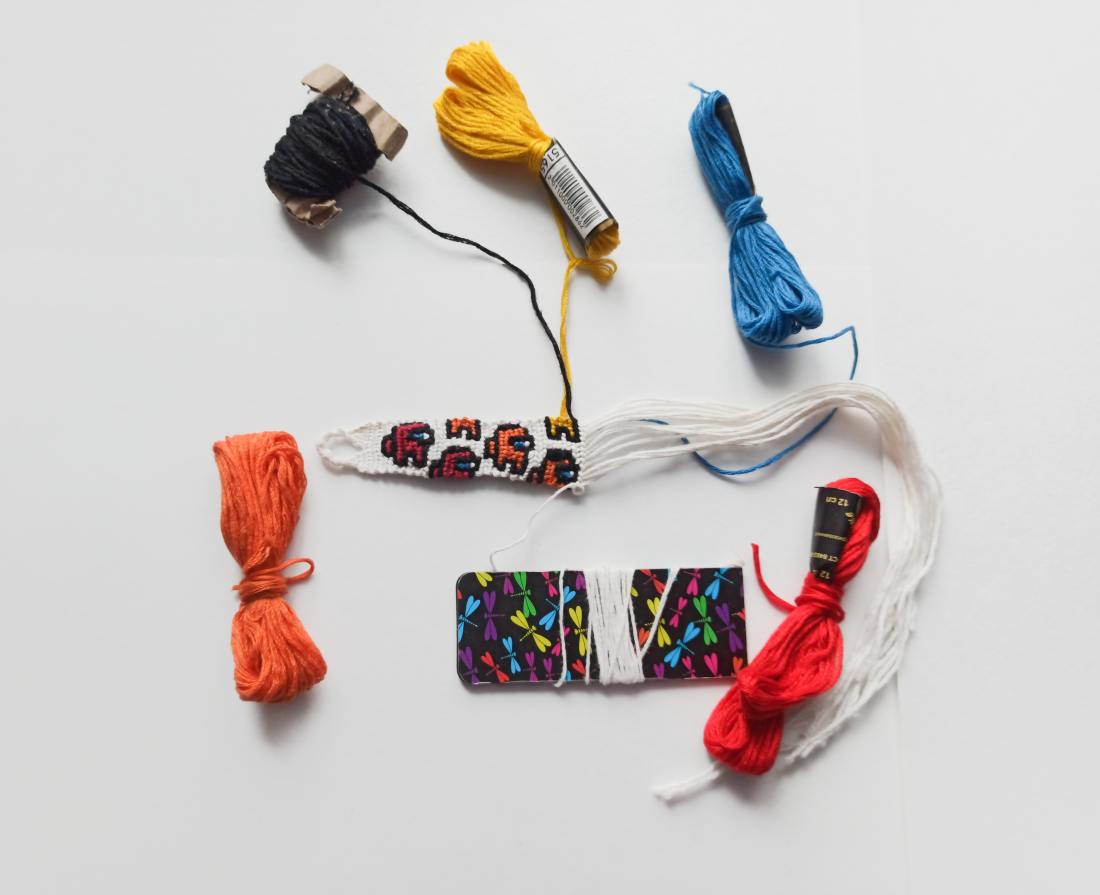
Author Antoine de Saint-Exupéry once wrote: “What is essential is invisible to the eye.” I have come to notice that this is the case with some of the most important things in life: you only notice them when they are missing. What makes story almost invisible is its effectiveness - it is so effective because it is so effortless. In this series of articles to follow, I explore the pervasiveness of story, how to use it effectively on purpose, the potential pitfalls of story, and how we can use it to make sense of our lives and the way we think and behave. I surface and examine the aspects of story that can either derail us if we don’t notice them, or can be used to our advantage in various ways.
The dance of self-love
Self-love is like a dance in which we move between acceptance and growth; between pushing and pulling on one hand and holding and protecting on the other. As fully integrated beings, we need to ultimately attempt to see that these are somehow one and the same thing.
Keeping Time: Synchronicity, regulation and well-being
To attune means to be receptive to something, to adapt or acclimatise towards it, or to bring things into harmony. This article explores some of the many ways we “keep time” by attuning to others, to our environment, and to ourselves, and how this synchronicity regulates how we function as ultimately social beings.
The limits of authenticity
What is authenticity? What does it mean to be our true selves? What does it mean to “show up”, and how are these two things different? Does authenticity mean bringing all of ourselves to every moment? And ultimately, what is the point of authenticity?